Cal Poly Alumnus Sal Estevez Explores Data Center Cooling and the Future of HVAC&R
The technology of tomorrow is here today. The exciting new prospects of information technology and the centers that house it represent a rapidly growing industry with a legion of opportunity for innovation and development. As the reliance on a digital infrastructure continues to expand, so does the requirement for facilities keeping it running.
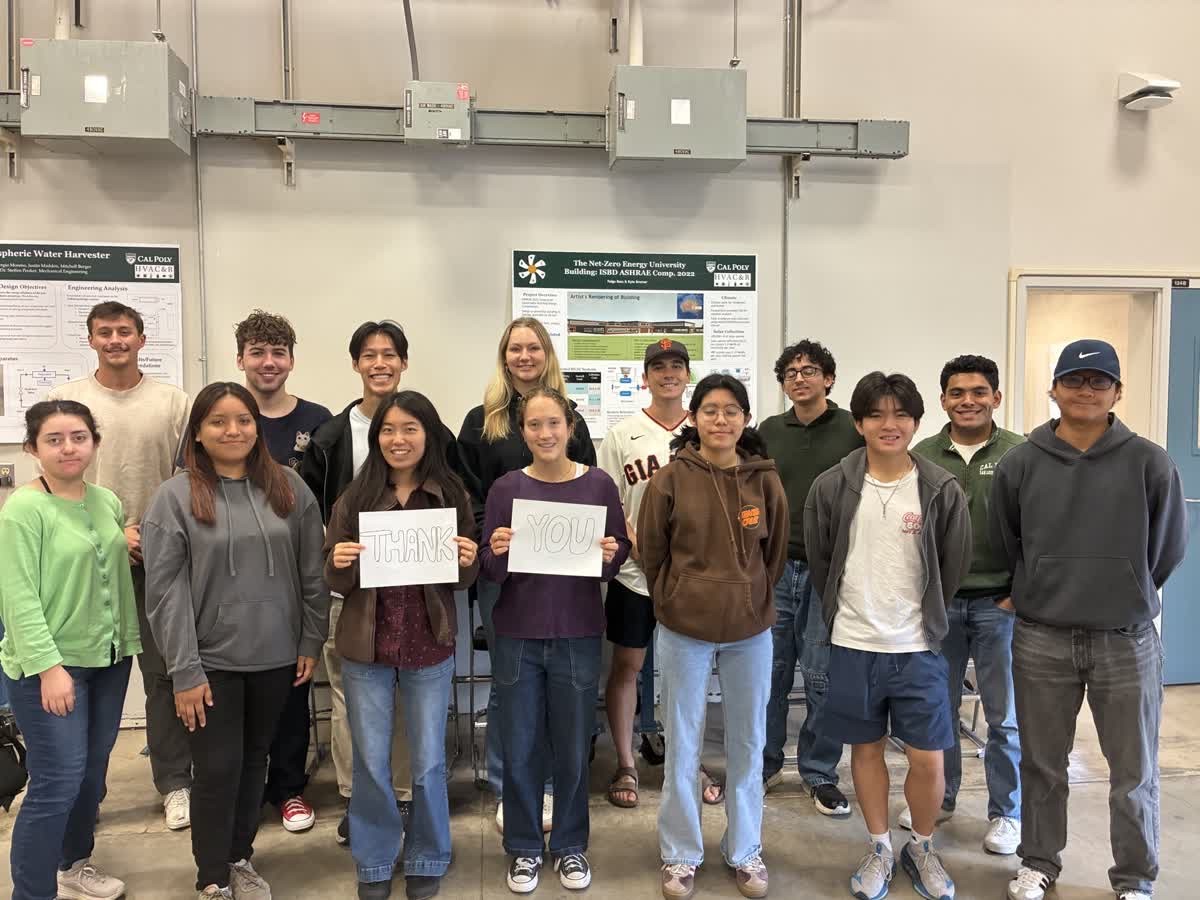
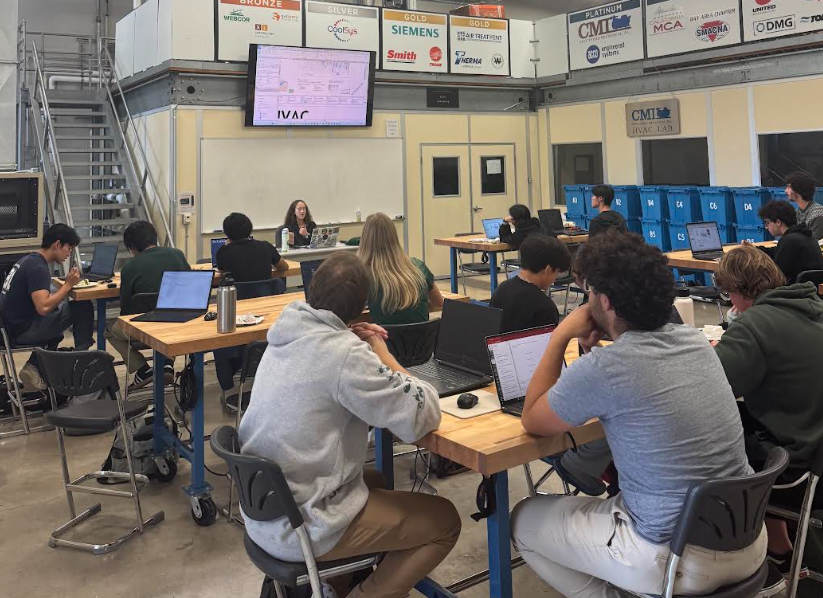
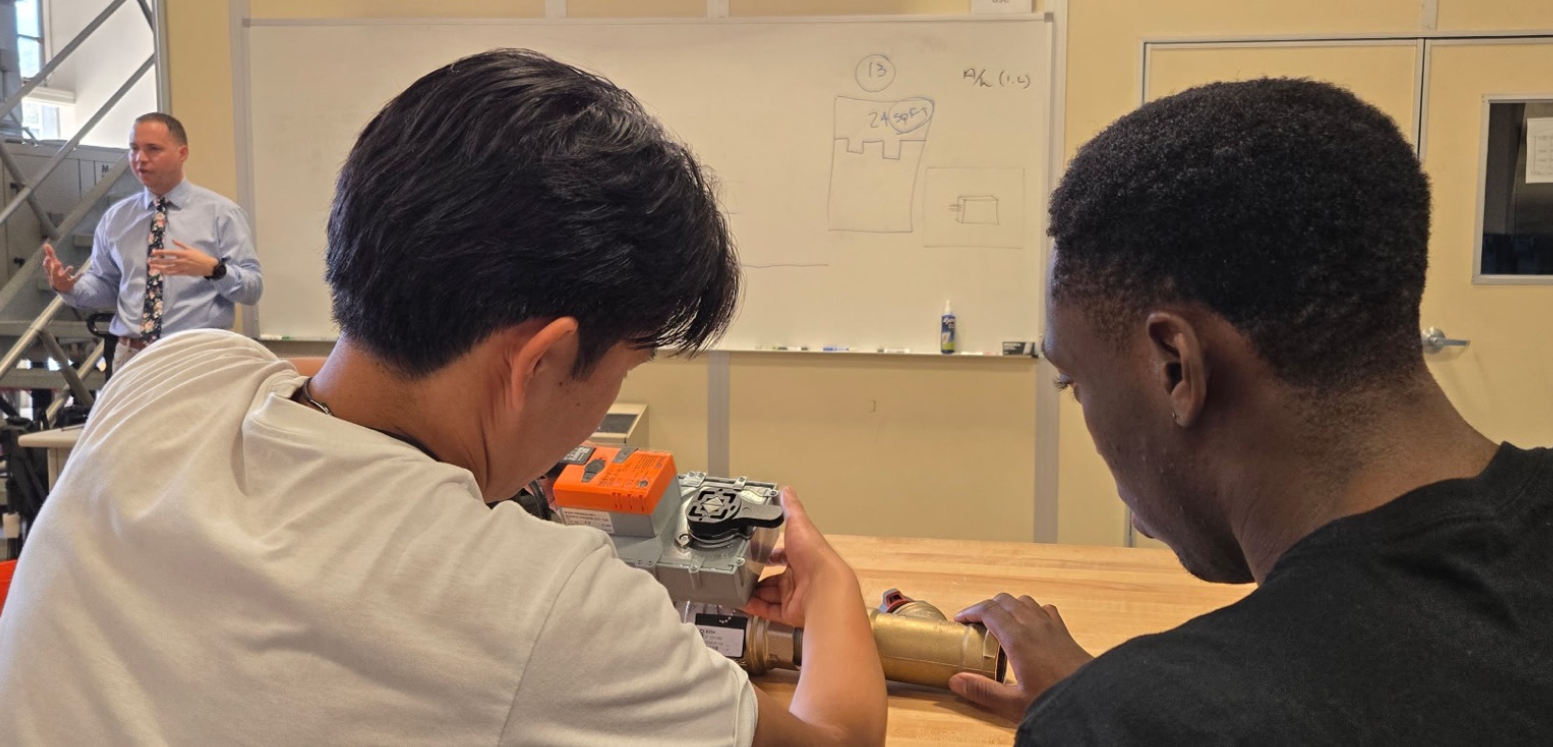
Sal Estevez, a Cal Poly alum and Senior Project Manager at United Mechanical, a California-based mechanical contractor specializing in HVAC systems, joined Cal Poly SLO’s ASHRAE club weekly meeting (11/06/2026) to bring students up to speed regarding the new impacts of data centers and the mechanical systems that support them.
Often referred to as, “the Heart of the Internet,” data centers are the physical facilities that contain the servers responsible for storing and processing information. From streaming videos on YouTube to everyday online services, these centers require substantial amounts of energy and critically designed cooling systems to operate properly.
One of the biggest challenges facing the industry is the increasing demand for cooling. As technology allows for new iterations of densely packed server racks and energy hungry chips, the amount of heat generated grows exponentially. With visual aids and samples of components, Sal introduces traditional cooling methods commonly seen in industry, such as raised-floor systems that distribute cold air beneath server rooms, as well as direct-to-chip liquid cooling, which circulates coolant directly to processors. With predictions that NVIDIA GPU rack densities will increase from 250 kW to over 1,000 kW, the industry is challenged to innovate away from traditional methods within HVAC design.
The complexities within the challenges of designing these facilities include careful consideration of fluid quality within liquid cooling systems, along with prevention of bacteria growth, and ensuring that welding slag or debris is thoroughly flushed with glycol-mixtures from steel pipes that run these facilities.
Ultimately, Sal sheds light on the critical issues impacting progress: proper communication. The chain of information passed from designers to management, and between manufacturers, contractors and the client is unorganized at best. Data center projects are designed with future capacity in mind, resulting in oversized infrastructure whose additional capacity is not yet standard within industry. What is described as a “game of telephone,” can be seen in the information lost between chip manufacturers, rack designers, as well as project managers and contractors while the pressure to produce is steadfast.